 Reviews


 Proudly American


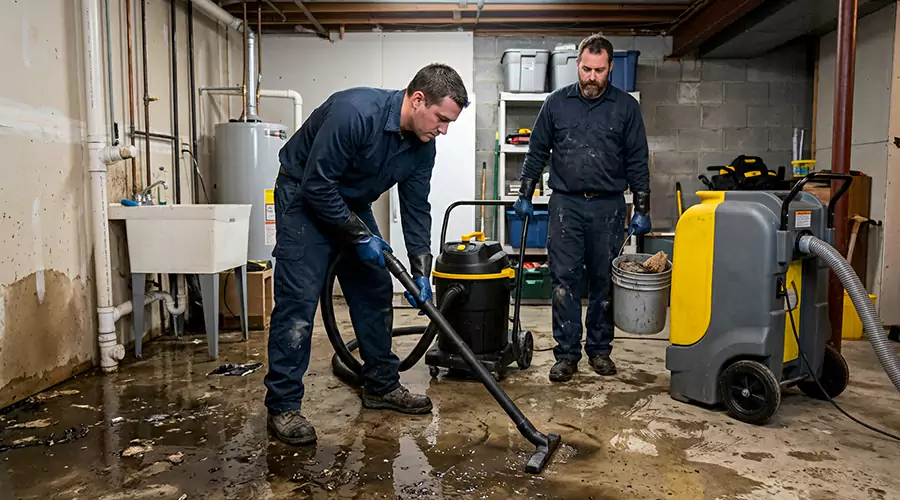
Sewage backup cleanup typically costs about $2,000 to $10,000 in 2026, with a national planning average near $5,000. Small contained bathroom backups can start near $1,500 to $3,500. Whole-basement events can reach $7,500 to $15,000 or more before major rebuilding is added.
The total depends on how far wastewater spread and which materials absorbed it. A backup confined to tile costs much less than one that soaks drywall or carpet padding. Professional water cleanup can help remove contaminated water, dry affected materials, and prevent further damage.
What Is Included in Sewage Backup Cleanup Cost?
A cleanup estimate usually covers contaminated water removal and sanitation before drying is completed. Porous material removal may also be included when wastewater has soaked finishes that cannot be retained. Rebuilding is often quoted separately.
Common charges can include:
- Initial contamination assessment
- Sewage water removal
- Removal of affected porous materials
- Cleaning and disinfection
- Drying equipment
- Moisture monitoring
- Debris disposal
Sewage cleanup cost should be compared by scope rather than by the final number alone.
How Much Does Cleanup Cost by Project Size?
Project size is a useful starting point because larger contaminated areas need more labor and material removal. Current 2026 pricing places many projects between $2,000 and $10,000. Severe whole-floor events can climb far beyond that level when major rebuilding is required.
| Backup Scope | Typical 2026 Planning Range |
|---|---|
| Small contained bathroom | $1,500 to $3,500 |
| Multi-room area | $3,000 to $7,500 |
| Whole basement | $7,500 to $15,000 |
| Severe whole-floor event | $15,000 to $40,000+ |
These figures are planning ranges. Local labor rates and repair needs can move the final total outside them.
How Much Does Sewage Cleanup Cost per Square Foot?
Contaminated sewage cleanup often runs about $7 to $15 per square foot. A 500-square-foot area can therefore create a cleanup budget of roughly $3,500 to $7,500 before substantial reconstruction. The square-foot method becomes less precise when contamination extends into cabinets or wall cavities because the cleanup is no longer limited to floor area.
Why Does a Sewage Backup Cost More Than Clean Water Damage?
Sewage is treated as highly contaminated water, so affected porous materials often cannot be handled like materials exposed to a clean plumbing leak. Cleanup requires more protective measures and more disposal. That difference raises labor costs even when the visible water depth is shallow.
Raw sewage cleanup cost rises when wastewater reaches:
- Carpet padding
- Drywall
- Insulation
- Engineered flooring
- Built-in cabinets
- Upholstered materials
A shallow backup across finished flooring can cost more than deeper clean water across unfinished concrete.
What Makes a Basement Backup More Expensive?
Basements can become expensive because sewage may spread across a large floor before the backup is discovered. Finished basements also contain more absorbent material than unfinished spaces.
Basement sewage cleanup cost increases when:
- Carpet padding is saturated.
- Drywall absorbs wastewater.
- Insulation becomes contaminated.
- Cabinets swell near the floor.
- Water reaches several rooms.
- The backup remains unnoticed for hours.
A whole-basement event can reach $15,000 for cleanup alone in larger losses. Reconstruction can push the total higher.
Does the Plumber's Repair Come With the Cleanup Price?
Usually not. The cleanup bill addresses contamination inside the property while the plumbing bill addresses why wastewater backed up. A blocked building drain or damaged sewer lateral can create a separate repair charge. Sewage damage cleanup may be complete while the pipe problem still needs repair before fixtures are used normally again. Sewage cleanup and restoration can also be separate scopes. Restoration may include new drywall or flooring after the contaminated area has been cleaned and dried.
What Warning Signs Mean the Final Bill May Be Higher?
Costs increase when contamination has spread beyond the visible area. Wastewater can wick into drywall or travel beneath flooring. Longer exposure can also increase the amount of porous material that needs removal.
Watch for these warning signs:
- Several rooms are affected.
- Drywall feels soft.
- Carpet padding is saturated.
- Cabinets have swollen.
- Flooring begins lifting.
- Wastewater reached wall cavities.
- A strong odor remains.
- Mold has started developing.
Emergency sewage cleanup can cost more after hours, but waiting can expand the damaged area.
How Can You Estimate Your Cleanup Cost?
A rough estimate starts with measuring the affected floor area. Multiply the room length by its width and apply the $7 to $15 per-square-foot planning range. Add likely repair work separately.
For a 20-foot by 15-foot room:
- The area is 300 square feet.
- At $7 per square foot the estimate is $2,100.
- At $15 per square foot the estimate is $4,500.
- Drywall or flooring replacement is added separately.
This calculation cannot reveal hidden contamination behind walls.
When Should You Call a Professional?
Professional help is appropriate when sewage covers a large area or reaches porous materials. Electrical exposure is another reason to stay out of the affected space. Sewage can contain harmful microorganisms, so protective handling differs from ordinary water extraction.
Consider professional assessment when:
- Wastewater reaches electrical components.
- Several finished rooms are affected.
- Drywall or insulation is saturated.
- The backup fills a basement.
- Contamination reaches a crawl space.
- The source cannot be stopped.
How Can You Reduce the Cost of a Future Backup?
Prevention starts with correcting recurring drainage problems before they create another overflow. Slow drains or repeated gurgling can signal a developing sewer problem. Basement storage can also be raised off the floor.
Useful steps include:
- Investigate recurring drain problems promptly.
- Avoid flushing unsuitable materials.
- Maintain septic systems on schedule.
- Consider a backwater valve where appropriate.
- Keep basement belongings above floor level.
Conclusion
Sewage backup cleanup usually costs about $2,000 to $10,000 in 2026, with larger basement losses often reaching $15,000 or more. The biggest cost changes come from the affected area and how much porous material must be removed. Plumbing repairs and reconstruction may be separate. If sewage reaches electrical systems or several finished rooms, professional assessment can help define the safe cleanup scope.
Frequently Asked Questions
How much does a small toilet backup cost to clean?
A contained bathroom backup can start around $1,500 to $3,500 depending on the affected materials.
How much is sewage cleanup per square foot?
A common 2026 planning range is about $7 to $15 per square foot for contaminated sewage cleanup.
Does cleanup include fixing the sewer line?
Usually not. Cleanup addresses the property while plumbing or sewer repairs address the cause.
Can a basement sewage backup exceed $15,000?
Yes. Large finished basements can exceed that amount when material removal or reconstruction is extensive.
Does insurance cover a sewer backup?
Coverage depends on the policy. Sewer or drain backup coverage may require a separate endorsement.
Does waiting make sewage cleanup more expensive?
It can. Longer exposure can allow wastewater to spread into more porous building materials.